

Every organisation eventually faces the same challenge.
Laptops reach end of life. Servers are replaced. Mobile devices are upgraded. Storage infrastructure is retired. Technology evolves, and ageing equipment is left sitting in storage rooms, data centres and cupboards across the business.
The question is not what to do with old IT equipment.
The question is how to dispose of it securely, responsibly and compliantly.
This is where IT Asset Disposition (ITAD) becomes critical.
So, what is IT Asset Disposition (ITAD)?
IT Asset Disposition, commonly known as ITAD, is the process of securely managing and retiring unwanted or end-of-life IT equipment.
- Laptops
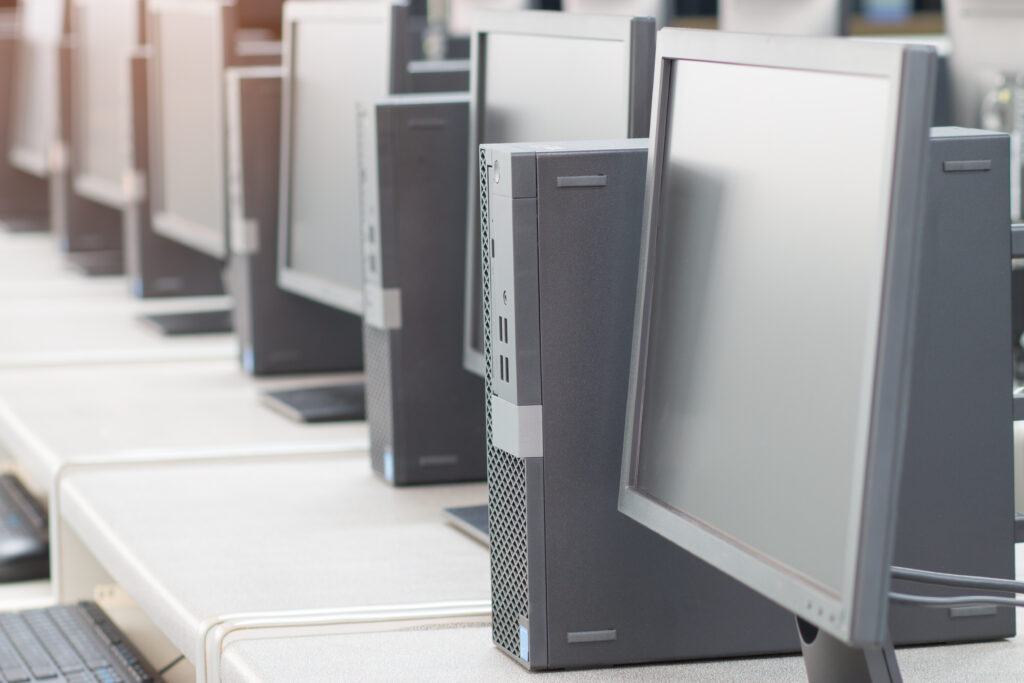
- Desktop computers
- Servers
- Mobile phones
- Tablets
- Hard drives and solid-state drives
- Network equipment
- Data centre infrastructure
- Printers and multifunction devices
The goal is to ensure that both the physical asset and the information stored on it are managed securely throughout the end-of-life process.
Why ITAD matters
Many organisations invest heavily in cyber security, access controls and data protection technologies.
Deleting files or performing a factory reset does not necessarily remove data permanently. Without secure sanitisation or destruction, confidential information may still be recoverable.
- Privacy breaches
- Cyber security incidents
- Regulatory non-compliance
- Intellectual property exposure
- Reputational damage
The growing information security risk
Customer records, employee information, financial data, intellectual property, emails and documents may all reside on old equipment.
If devices are lost, sold, discarded or recycled without appropriate controls, organisations may expose sensitive information to unauthorised access.
- Chain of custody
- Asset tracking
- Certified data destruction
- Auditability
- Compliance reporting
Compliance and regulatory obligations
Many organisations operate within increasingly complex privacy, governance and compliance environments.
For organisations handling personal information, healthcare records, financial information or sensitive commercial data, secure disposal is not optional.
- Reduce information security risks
- Support privacy obligations
- Demonstrate due diligence
- Maintain audit trails
- Strengthen governance controls
Sustainability and environmental responsibility
ITAD is not only an information security issue. It is also an environmental issue.
- Reduce landfill contributions
- Support sustainability objectives
- Improve environmental reporting
- Recover value from suitable assets
- Ensure responsible recycling practices
ITAD Is Part of the Information Lifecycle
Many organisations view IT Asset Disposition as an IT issue.
In reality, it is an information governance issue.
The same attention given to storing, managing and protecting information during its active life should apply when the technology holding that information reaches end of life.
A strong ITAD program supports:
- Information governance
- Privacy compliance
- Cyber security
- Records management
- Risk management
- Sustainability initiatives
This article is intended to provide general information and commentary on records management, information governance and related regulatory developments. It does not constitute legal, regulatory, compliance or professional advice. Readers should obtain independent advice appropriate to their circumstances before acting on any information contained in this article.